Target Train
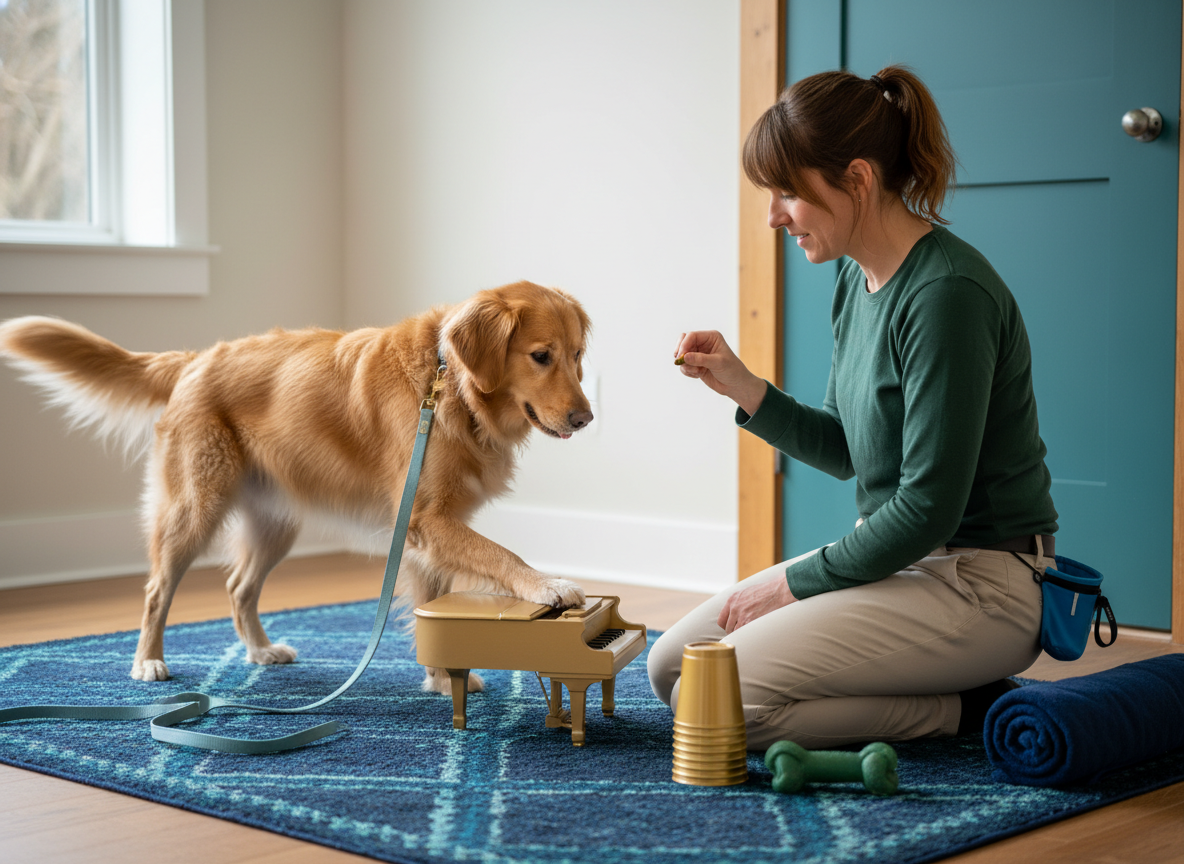
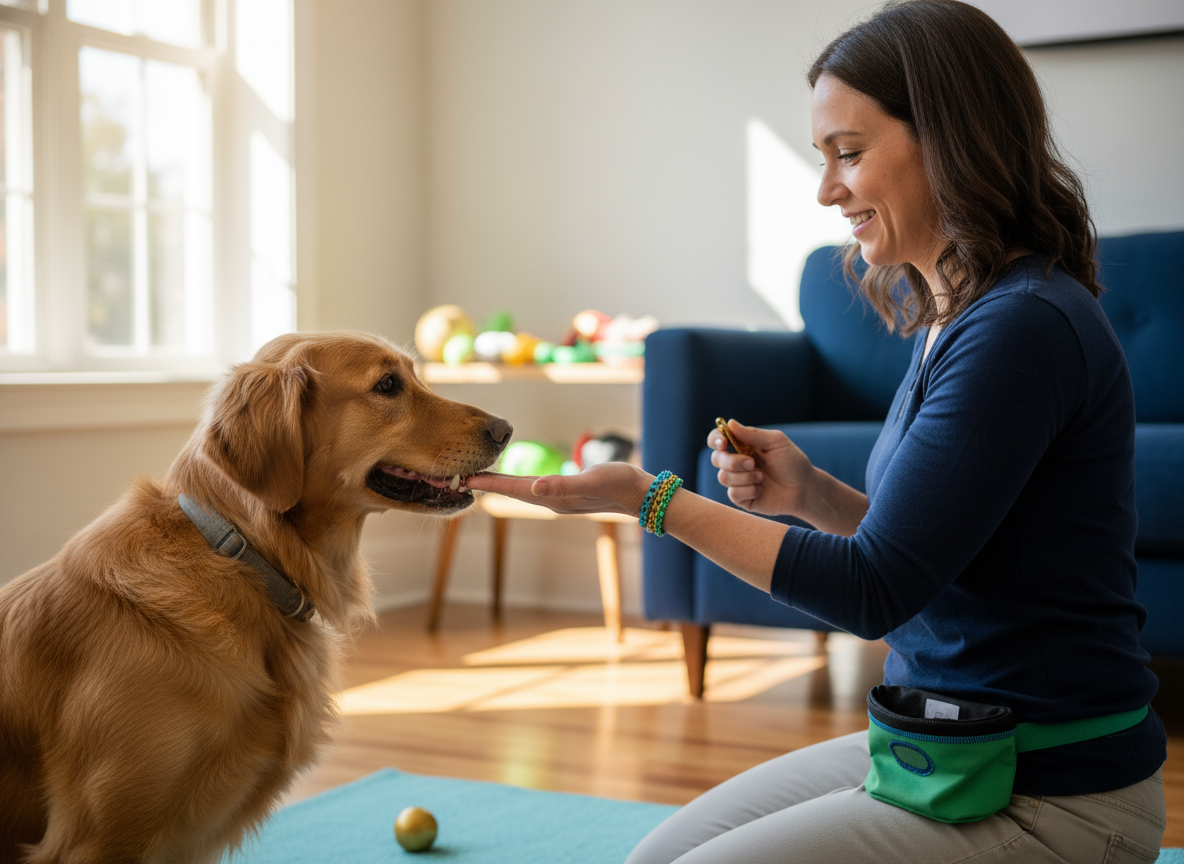
Teaching your dog to touch a target so later skills feel like puzzles, not pressure.
basic focusconfidence
Free game instructions
Browse all 30 activities below, or narrow the choice by your dog, available space, and supplies. Each guide explains an easy first round and when to stop.
These are research-based guides, not records of a hands-on test. Read the setup and safety limits before using a new activity.
Teaching your dog to touch a target so later skills feel like puzzles, not pressure.
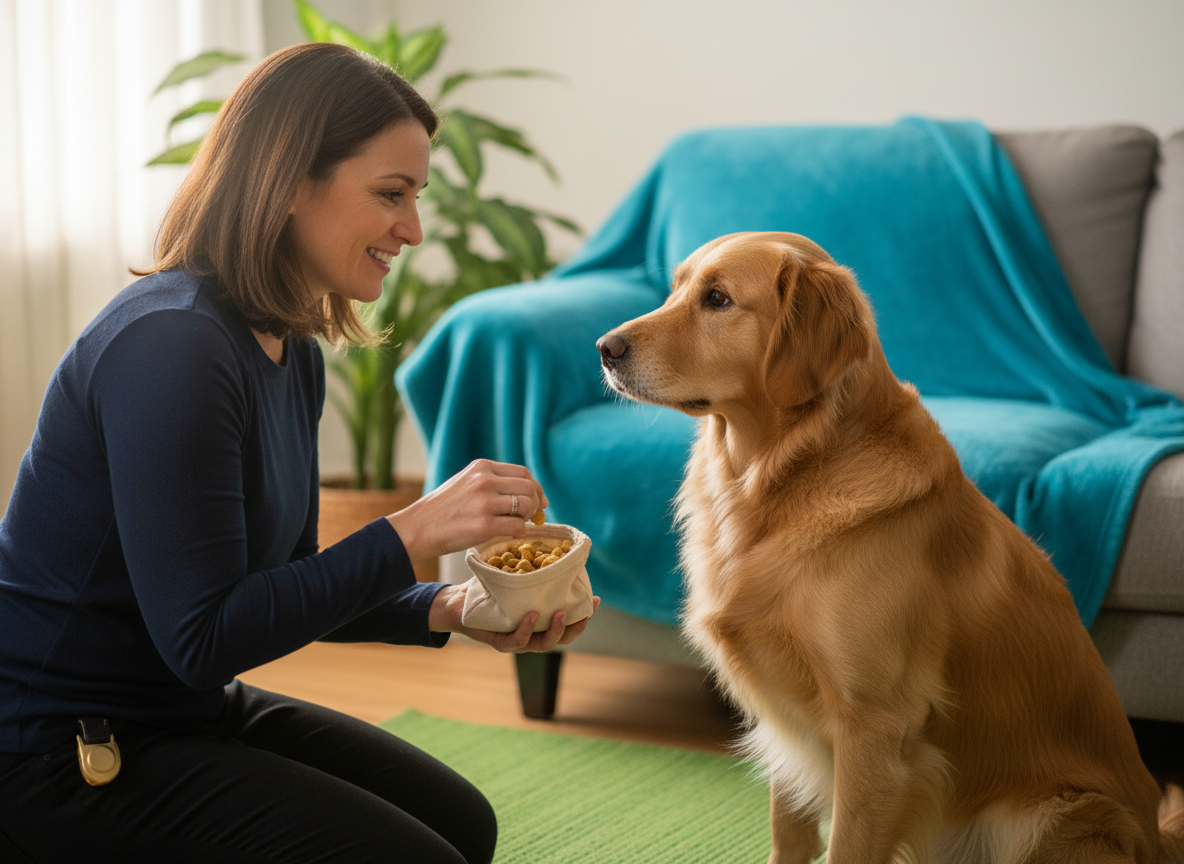
Building the habit of checking in with you before distractions take over.
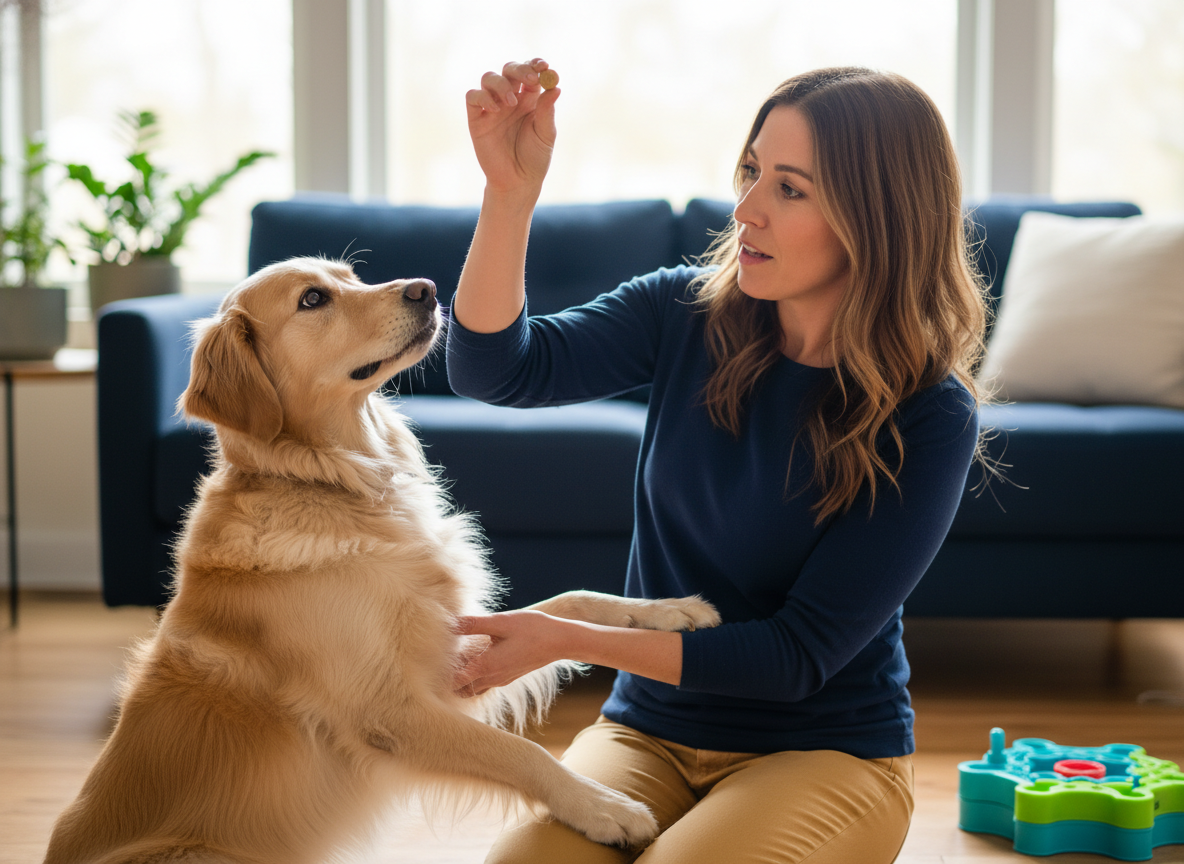
Making attention on you more rewarding than grabbing at the treat hand.
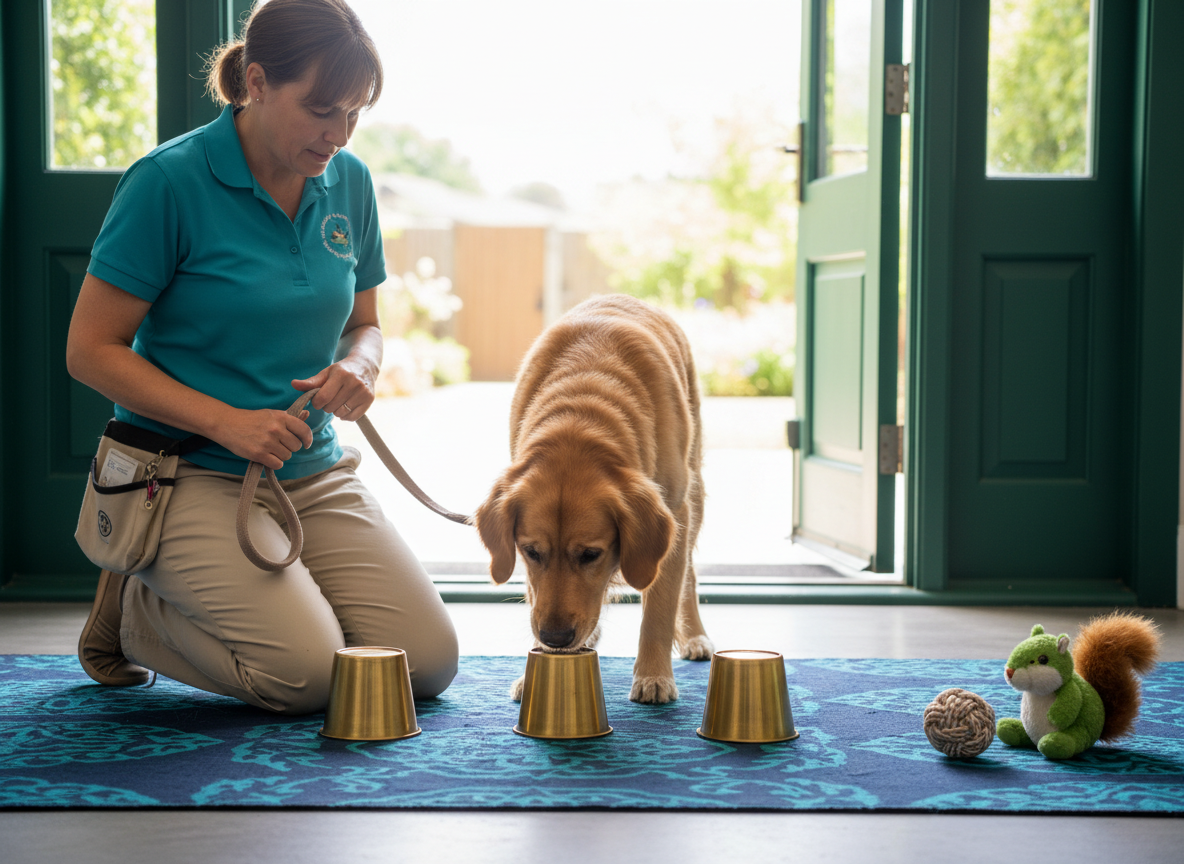
Encouraging your dog to use nose and focus rather than random pawing.
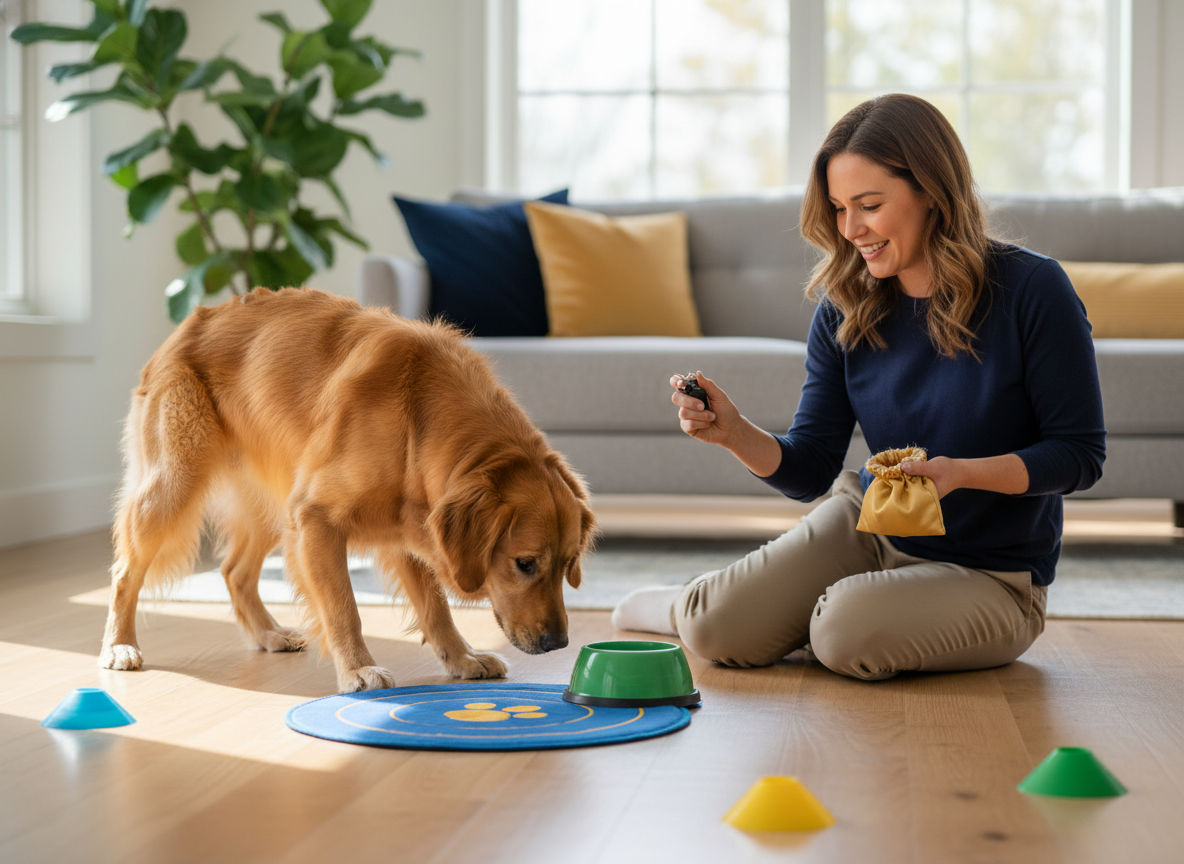
Letting your dog learn through feedback and problem-solving instead of luring every move.
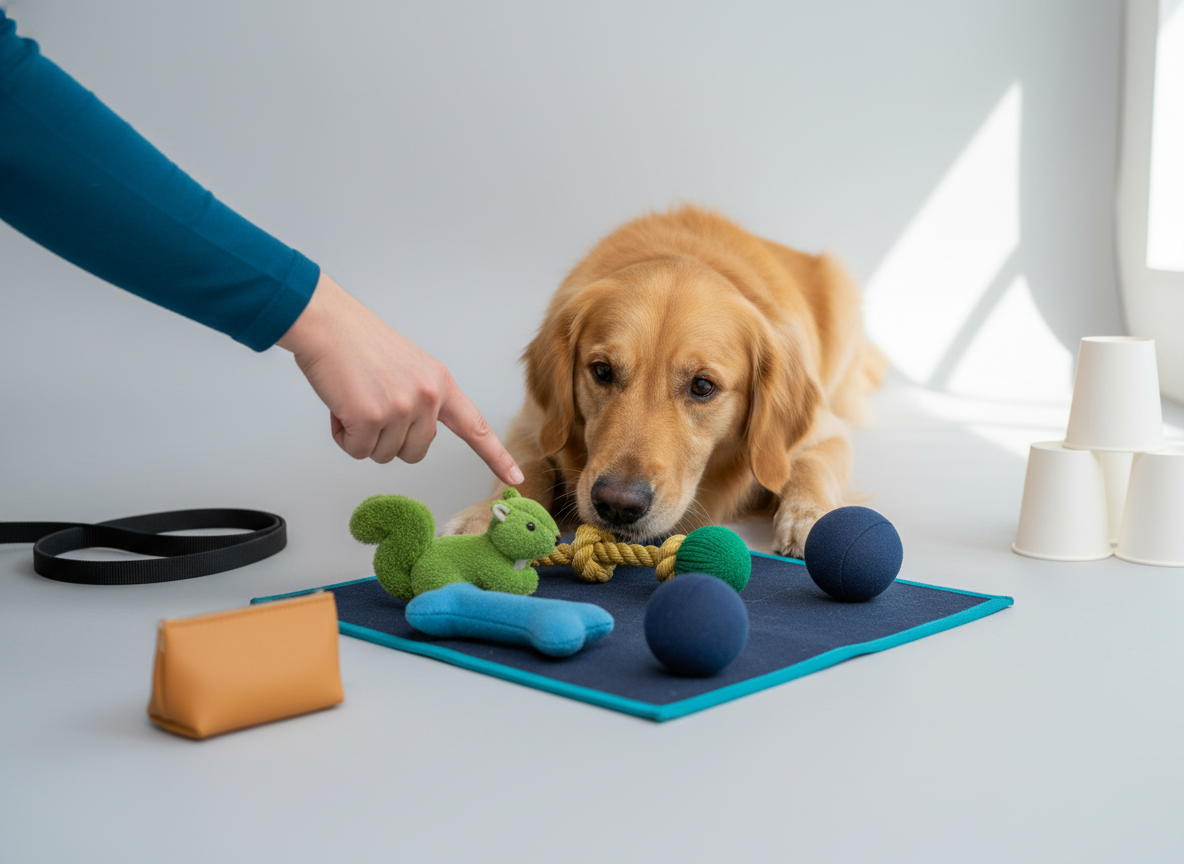
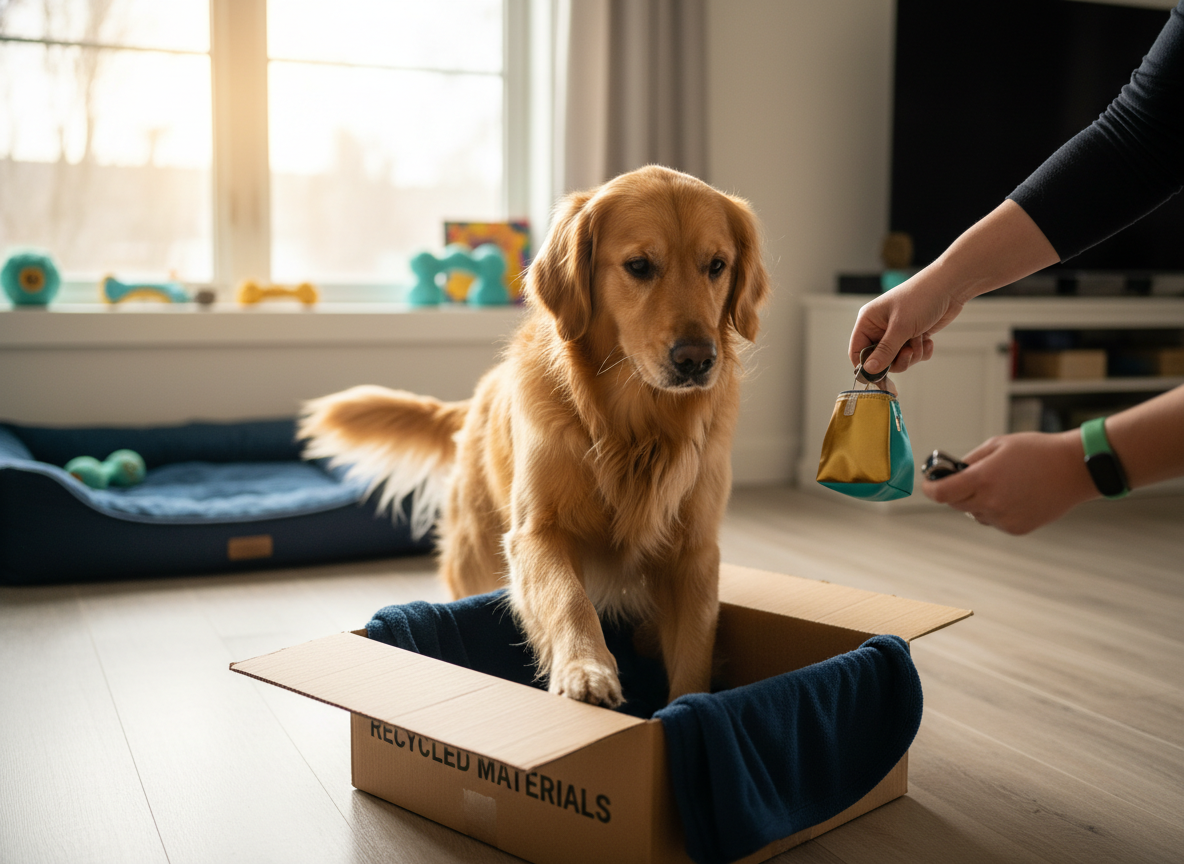
Teaching your dog to offer small choices and learn through shaping.
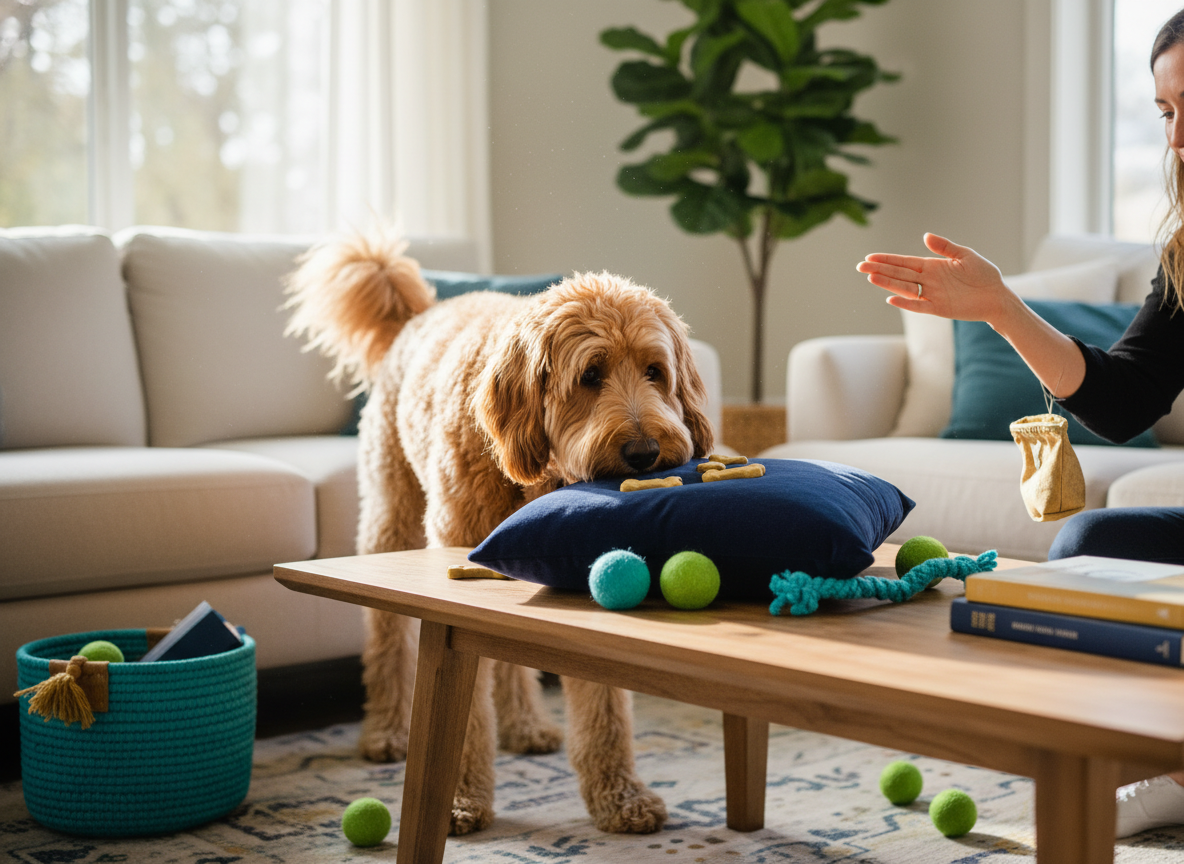
Giving your dog a calm sniffing job that burns mental energy without frantic movement.
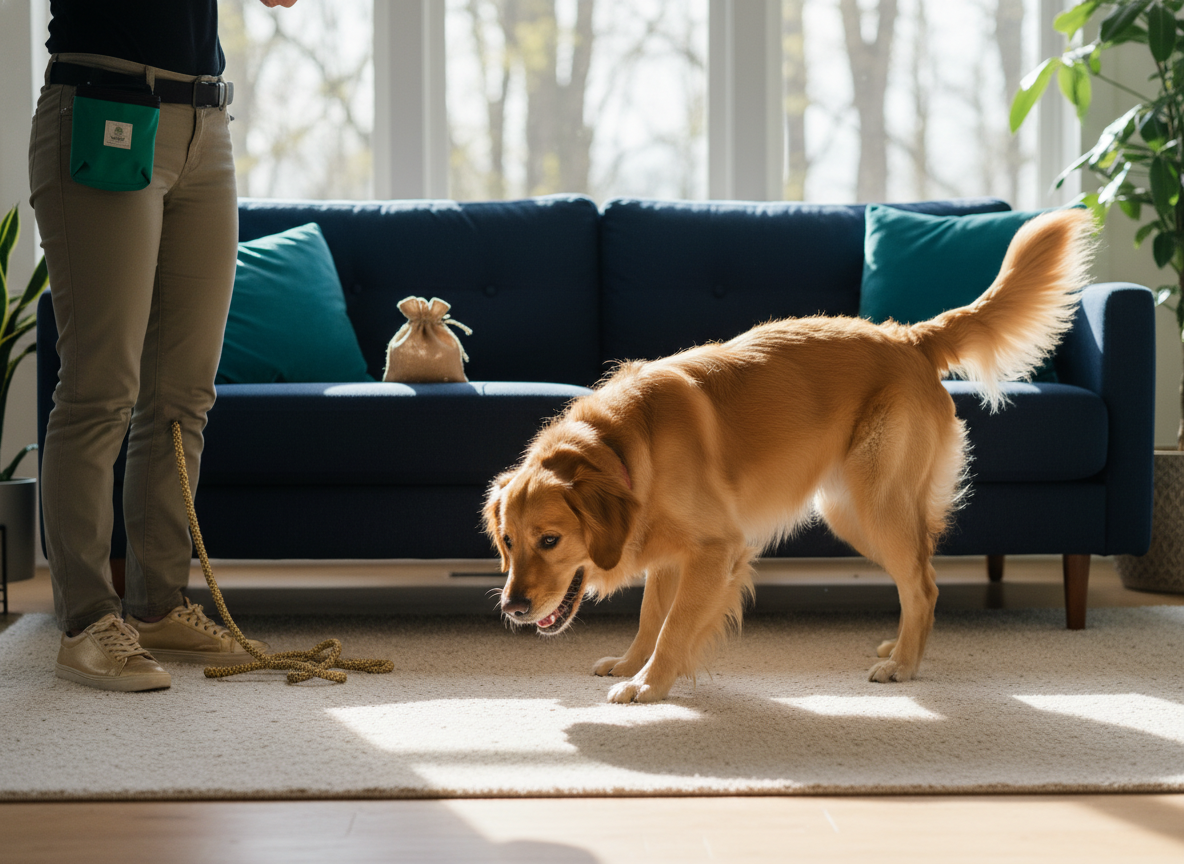
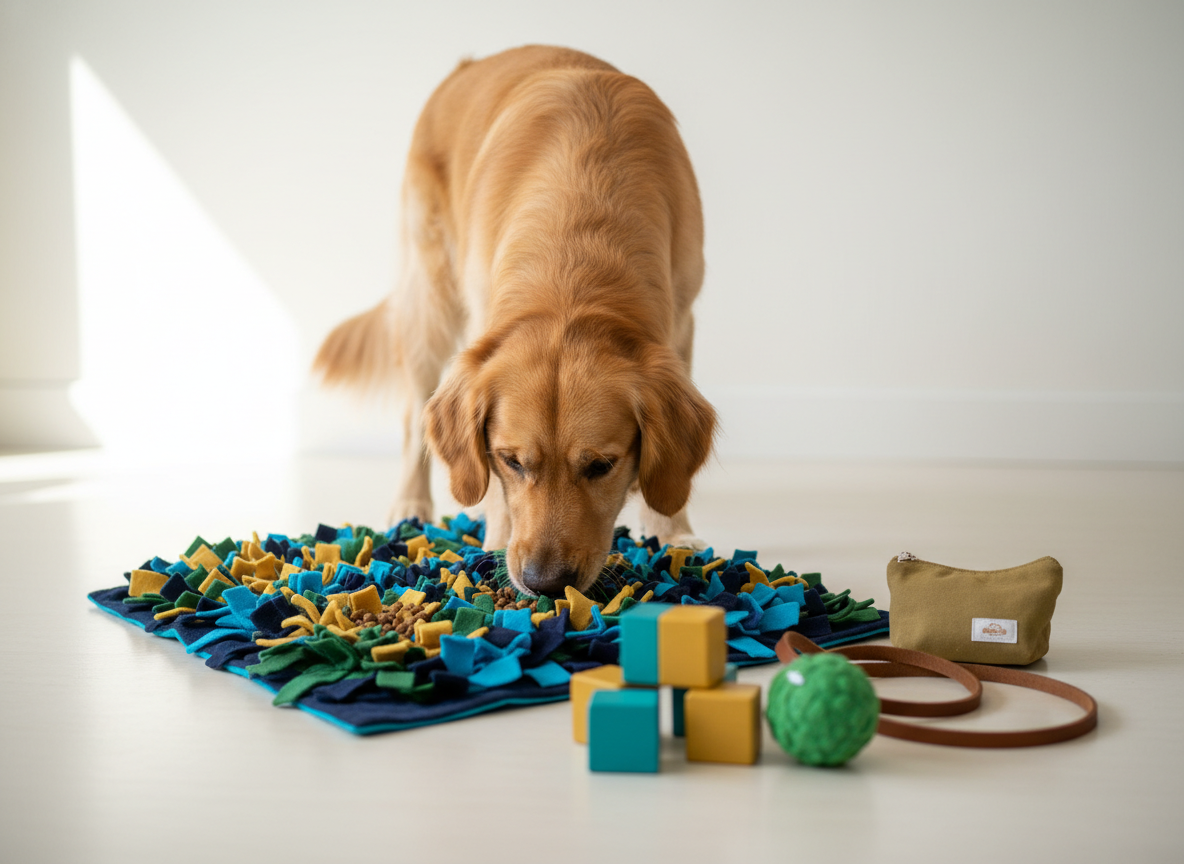
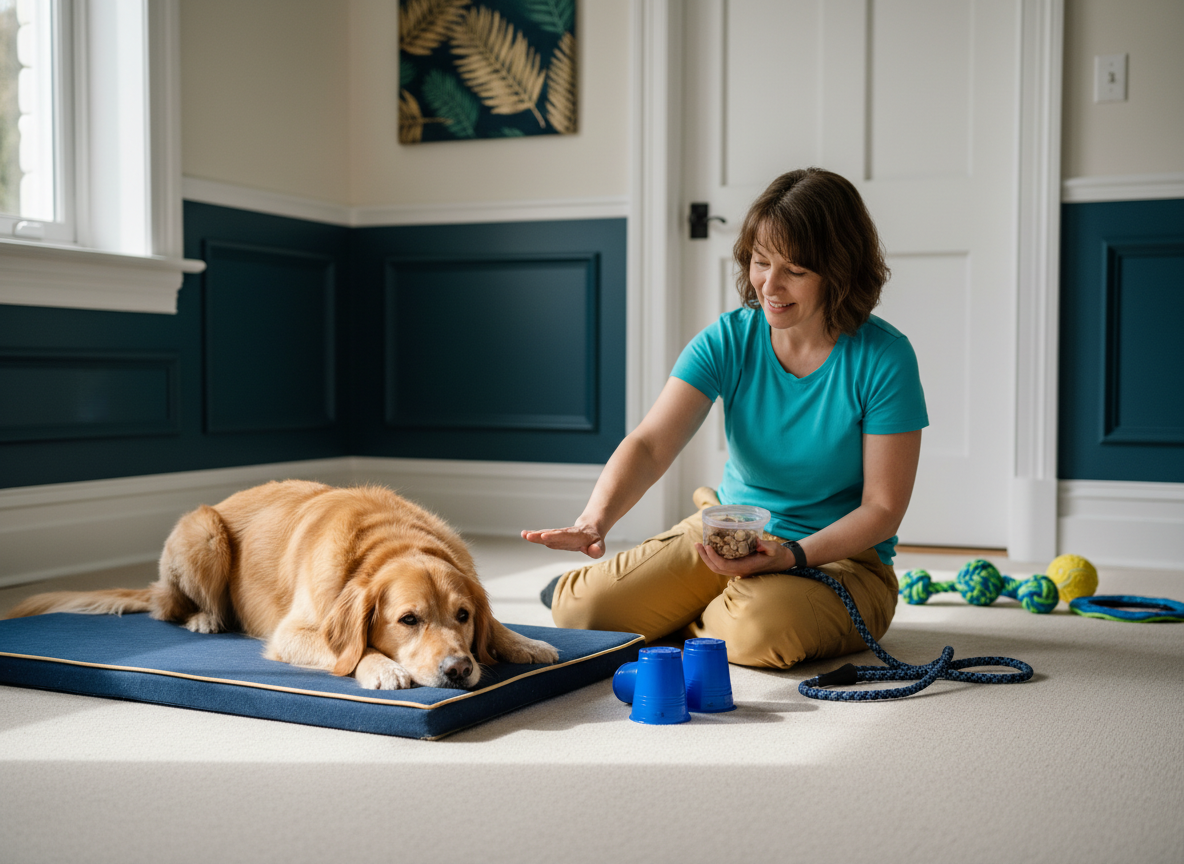
Teaching your dog that excitement can switch back into a calm behavior.
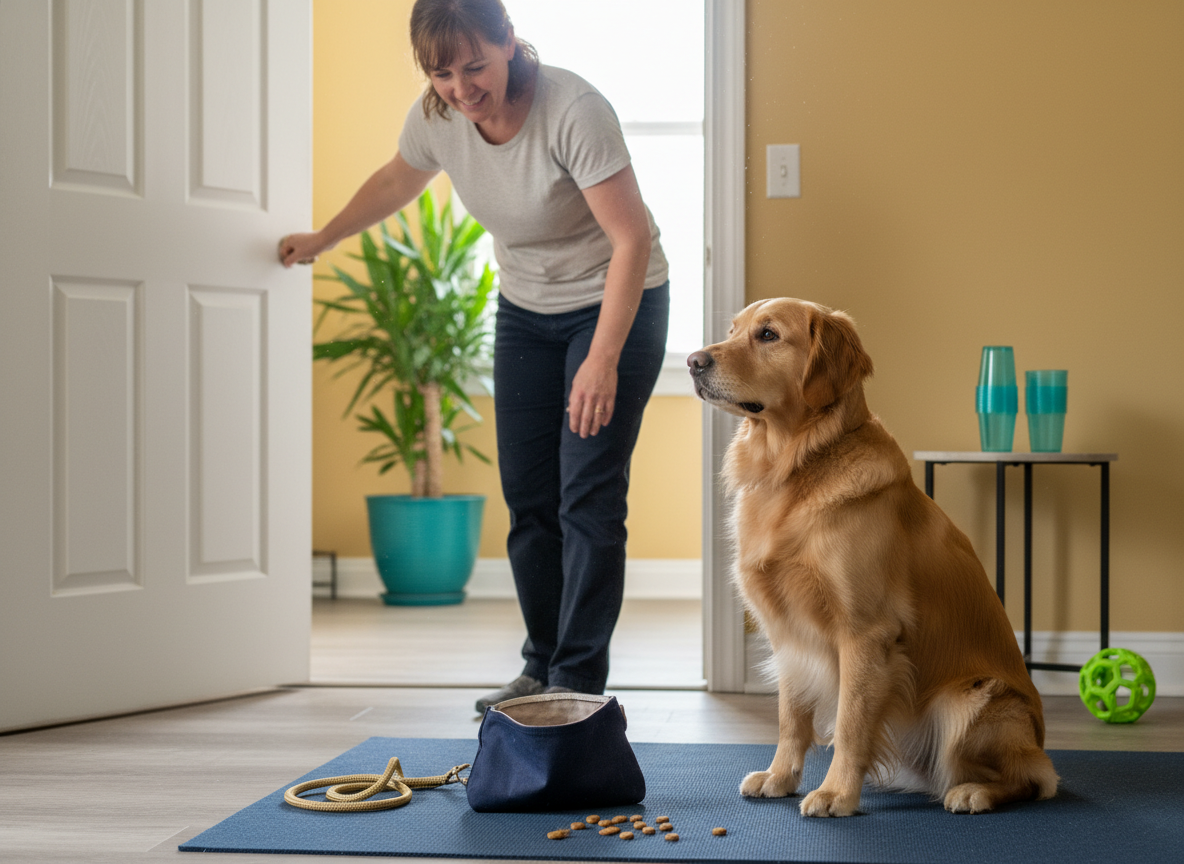
Teaching patience around open doors before real-life doorway excitement.
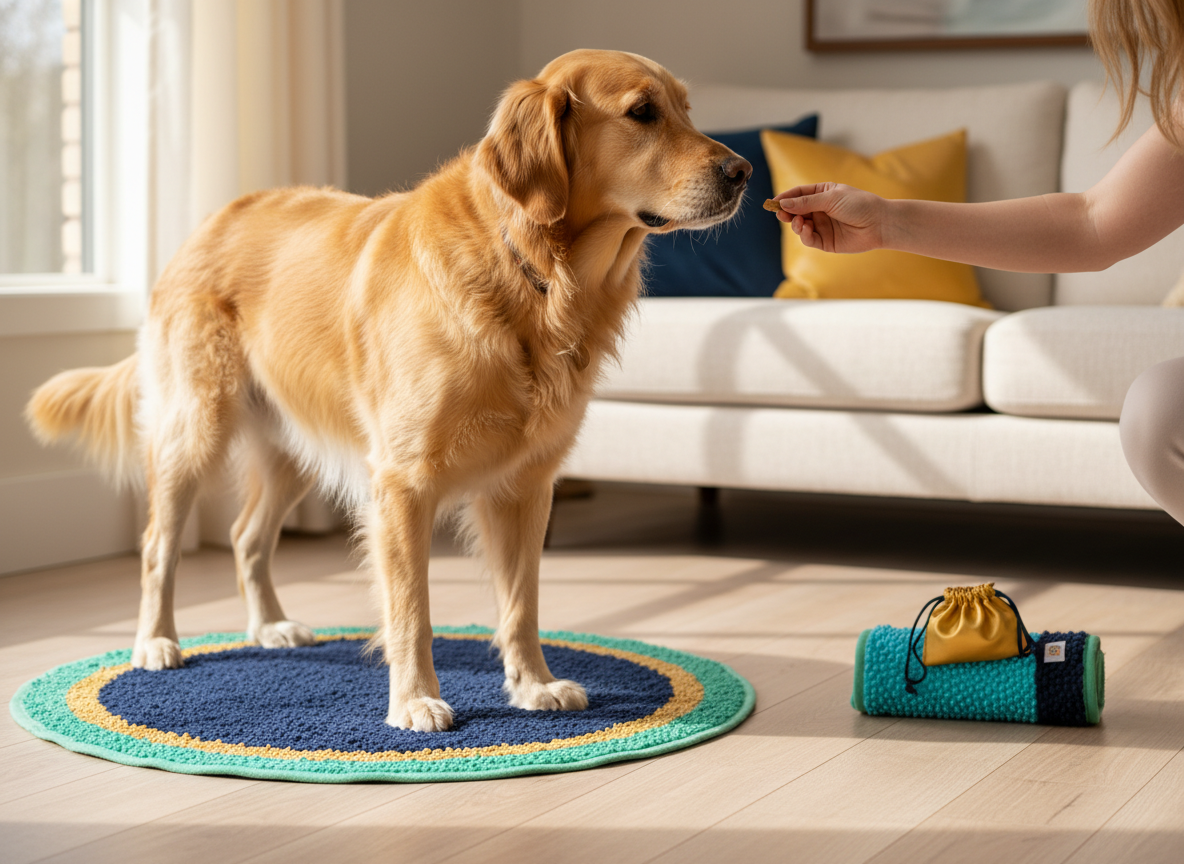
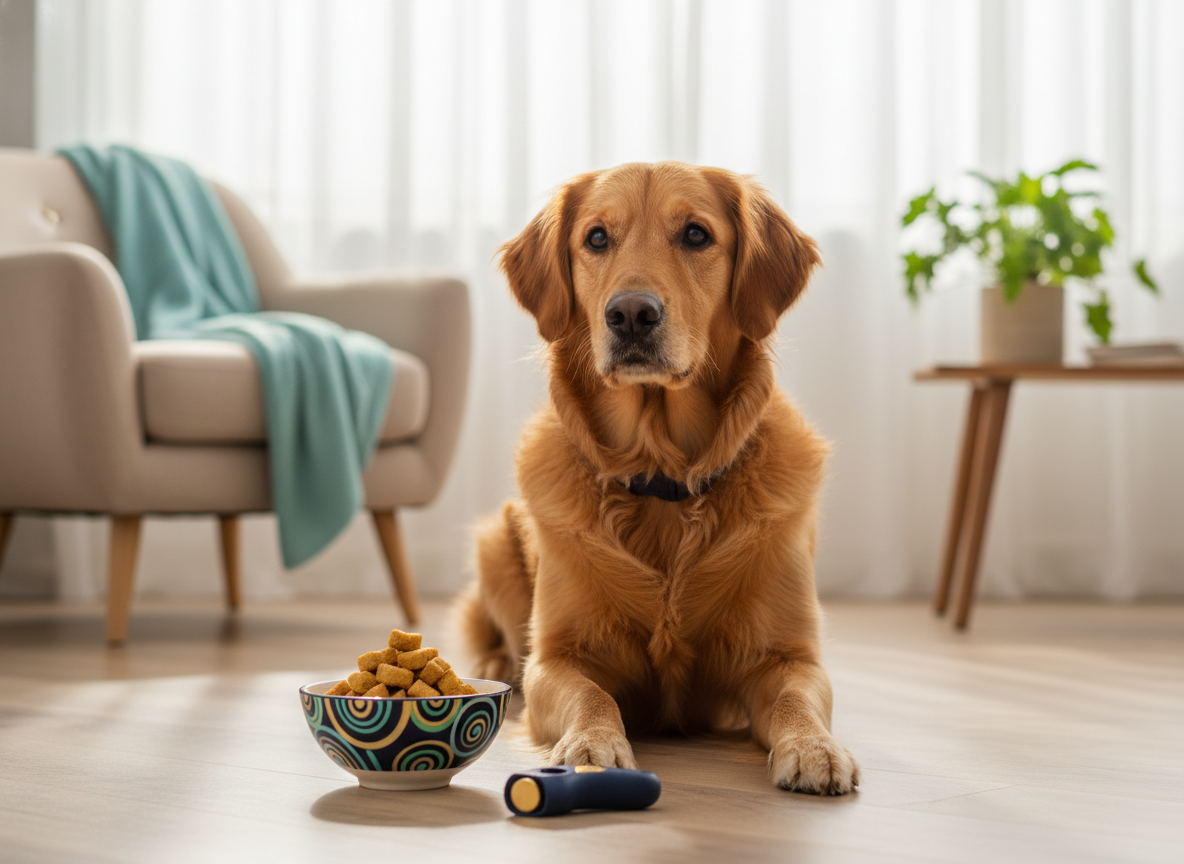
Helping owners notice and reward calm moments before unwanted behavior starts.
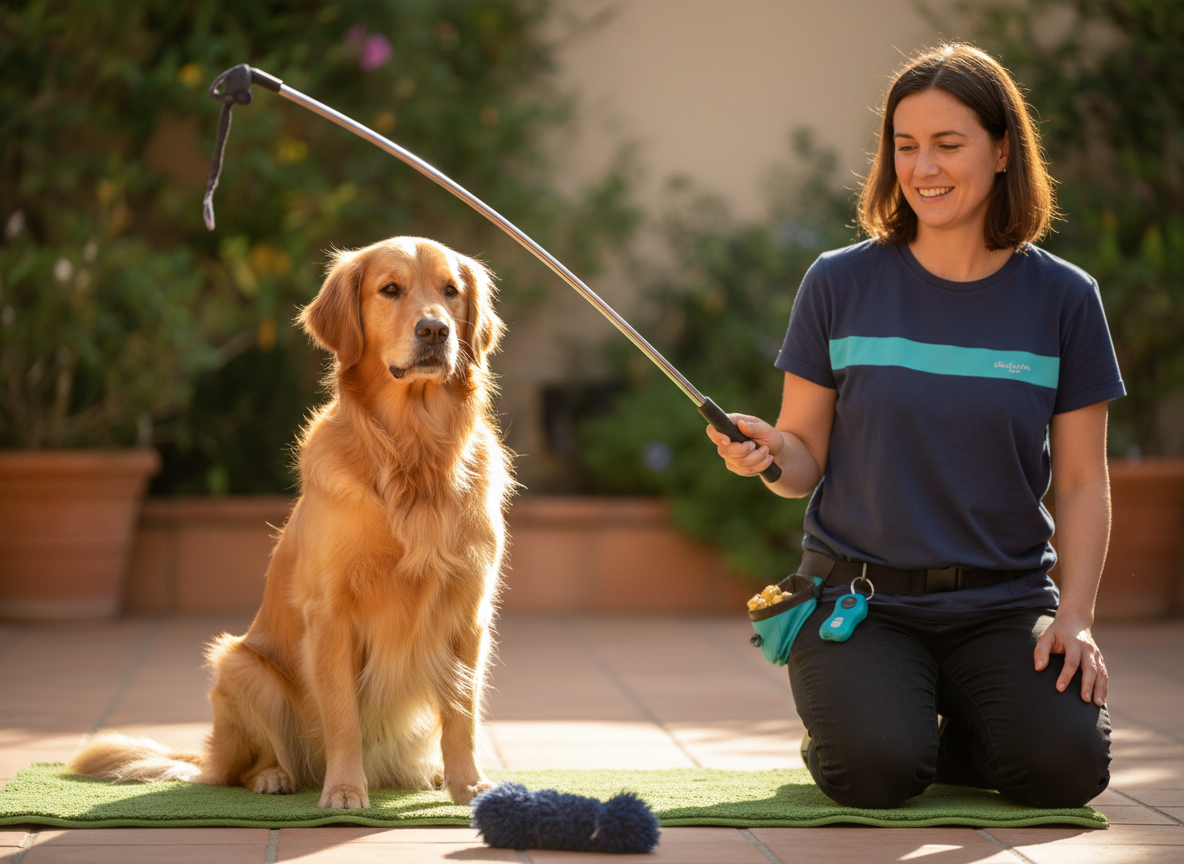
Turning chase into a structured start-stop game instead of uncontrolled arousal.
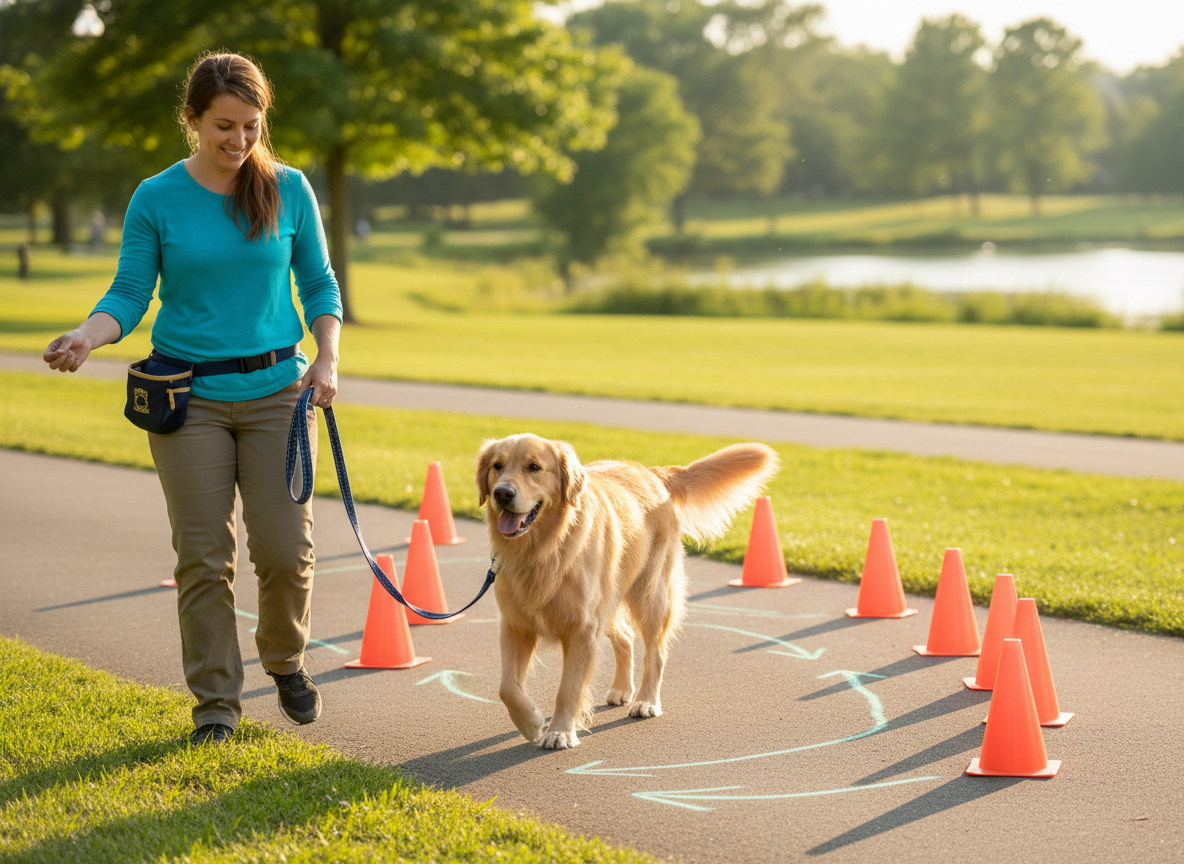
Teaching your dog to follow your movement changes without leash pressure.
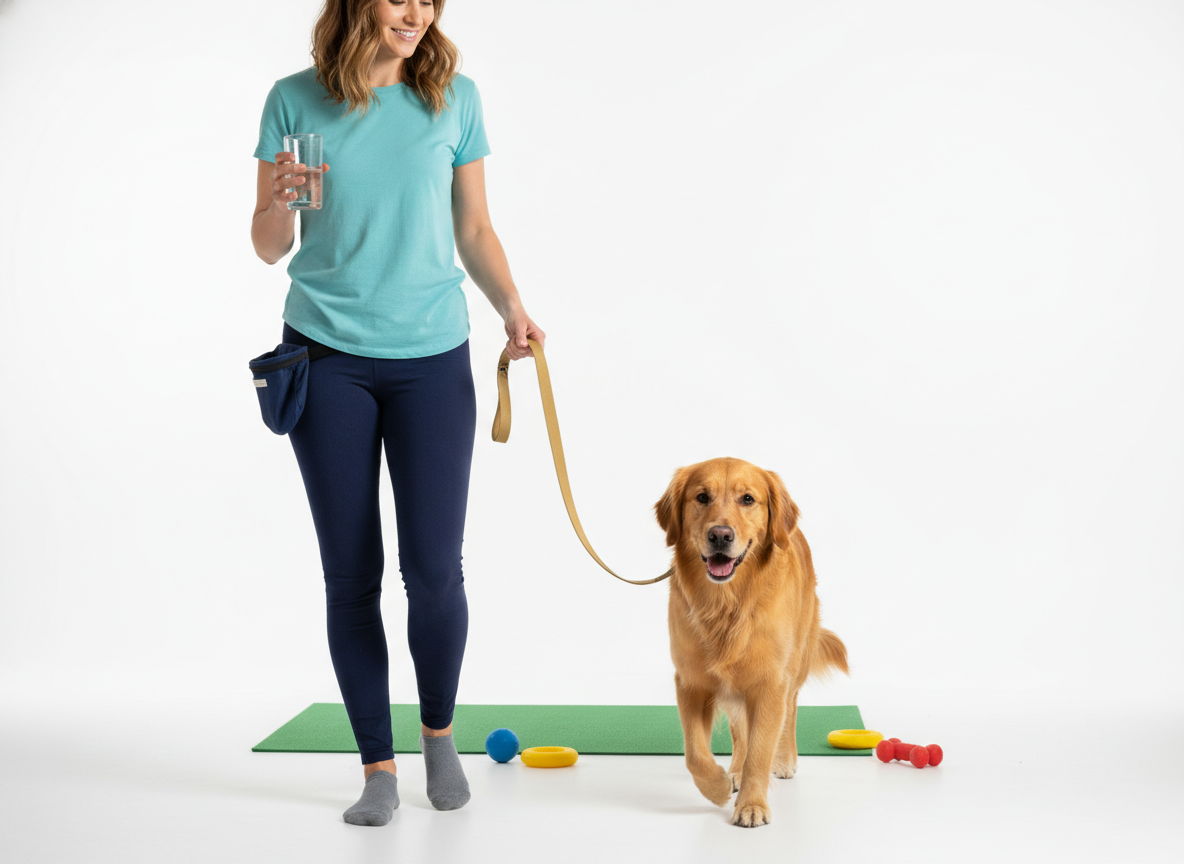
Making loose-leash walking visible: if the leash surges, the water tells you.
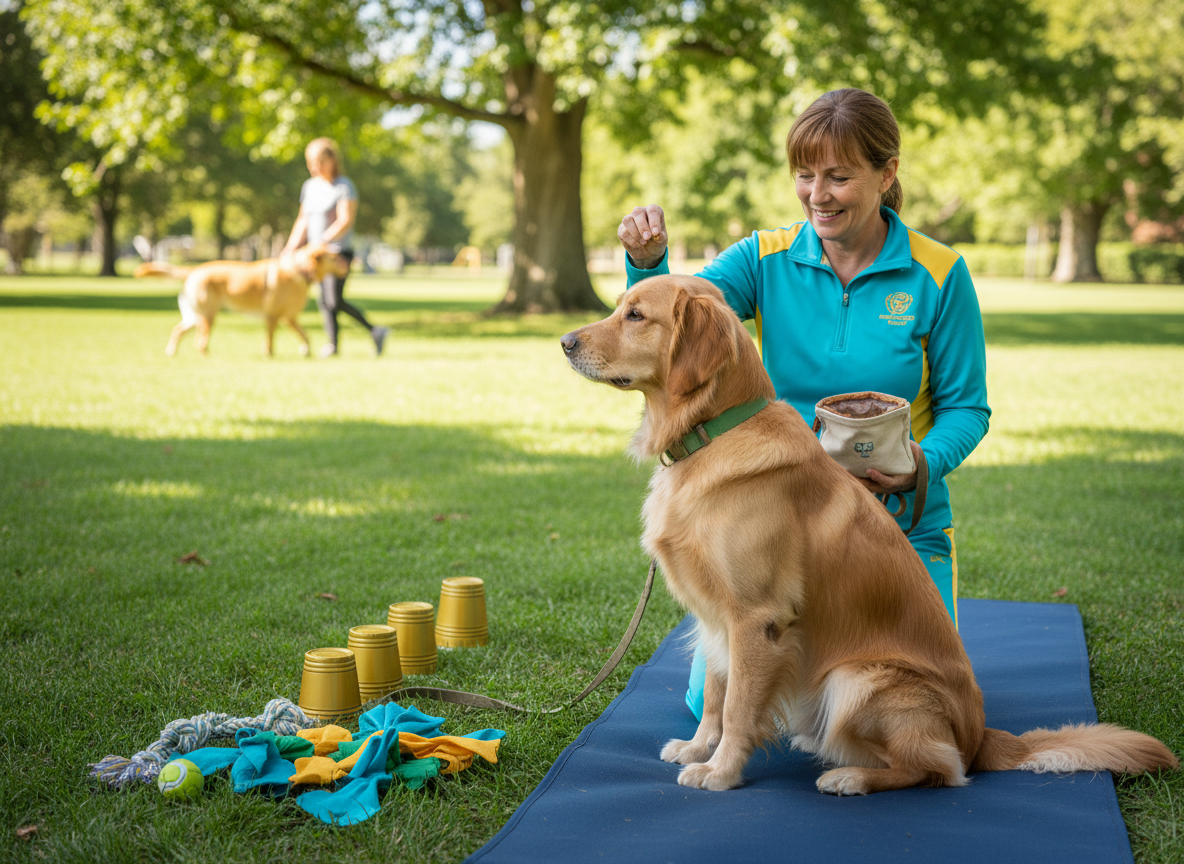
Changing trigger-watching into a structured check-in routine.
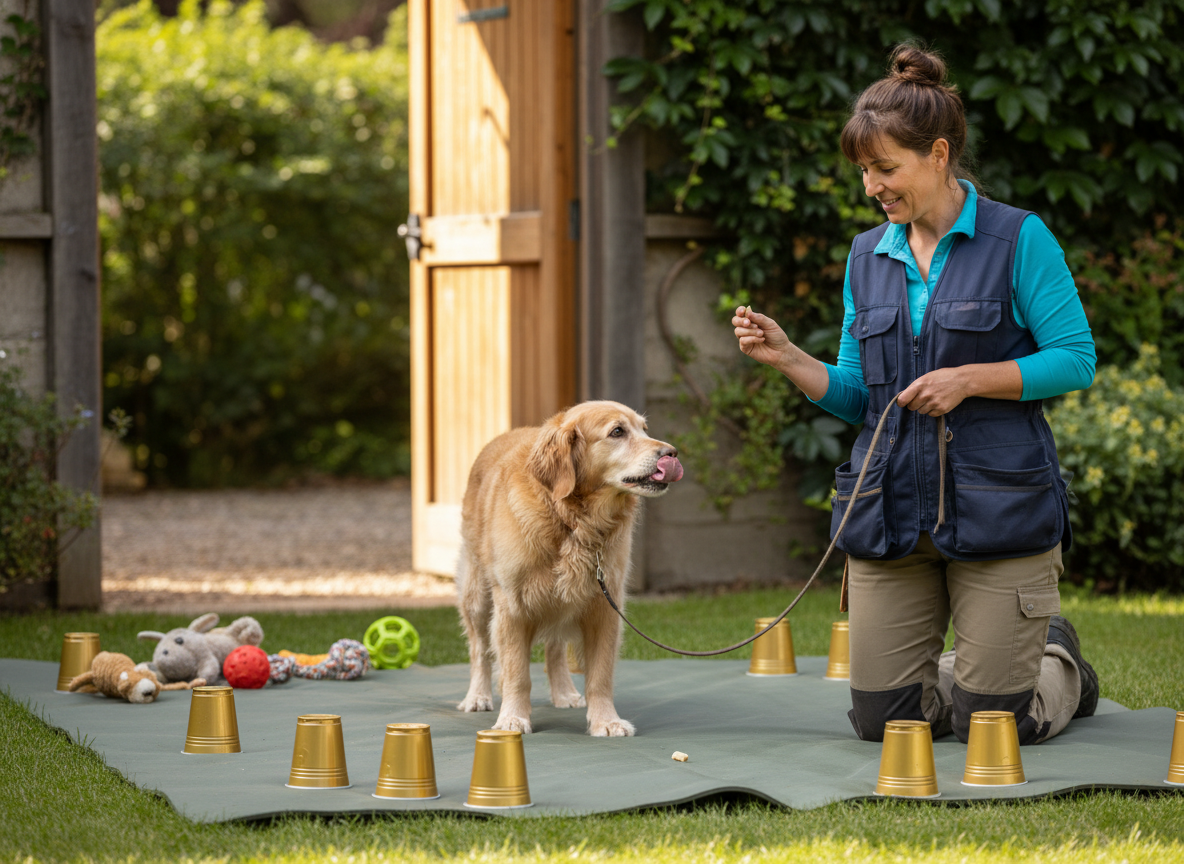
Giving a dog a predictable ground-to-handler rhythm when the environment feels too big.
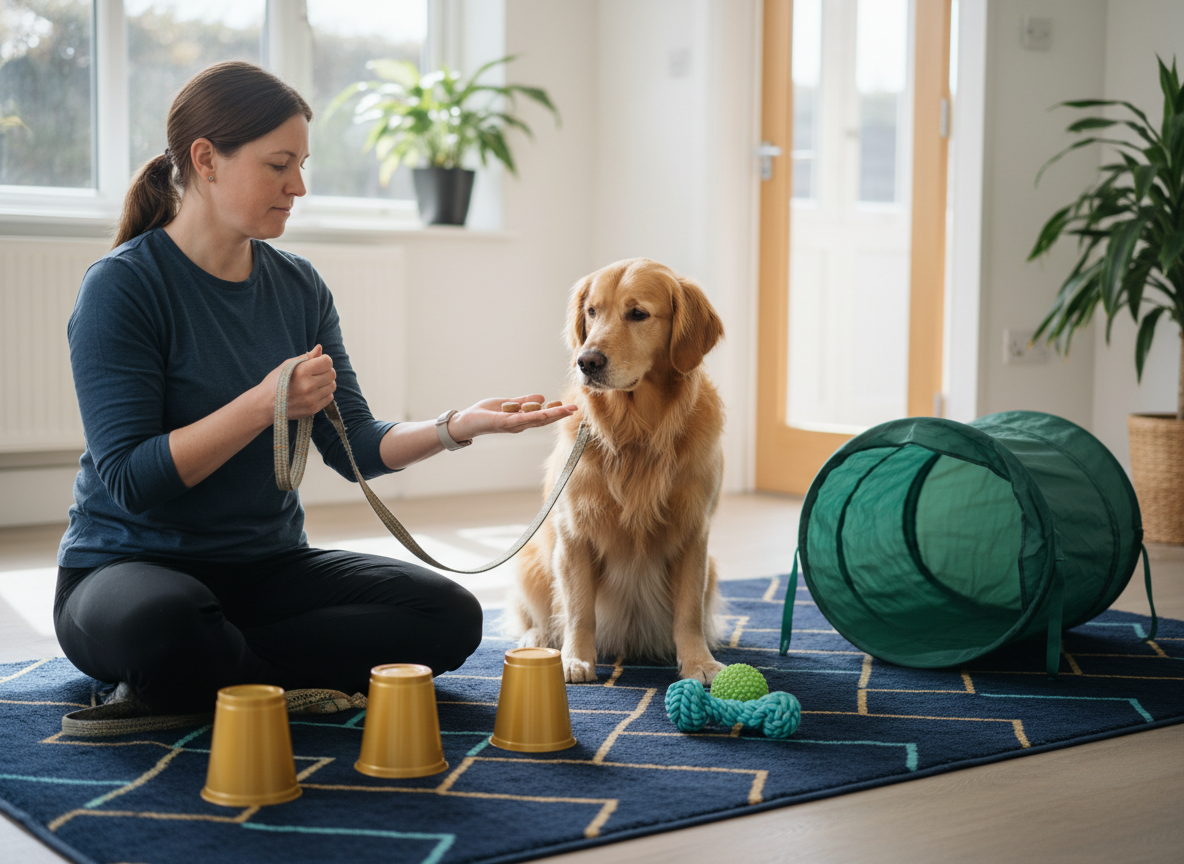
Creating a predictable count-and-reward pattern during mild distractions.
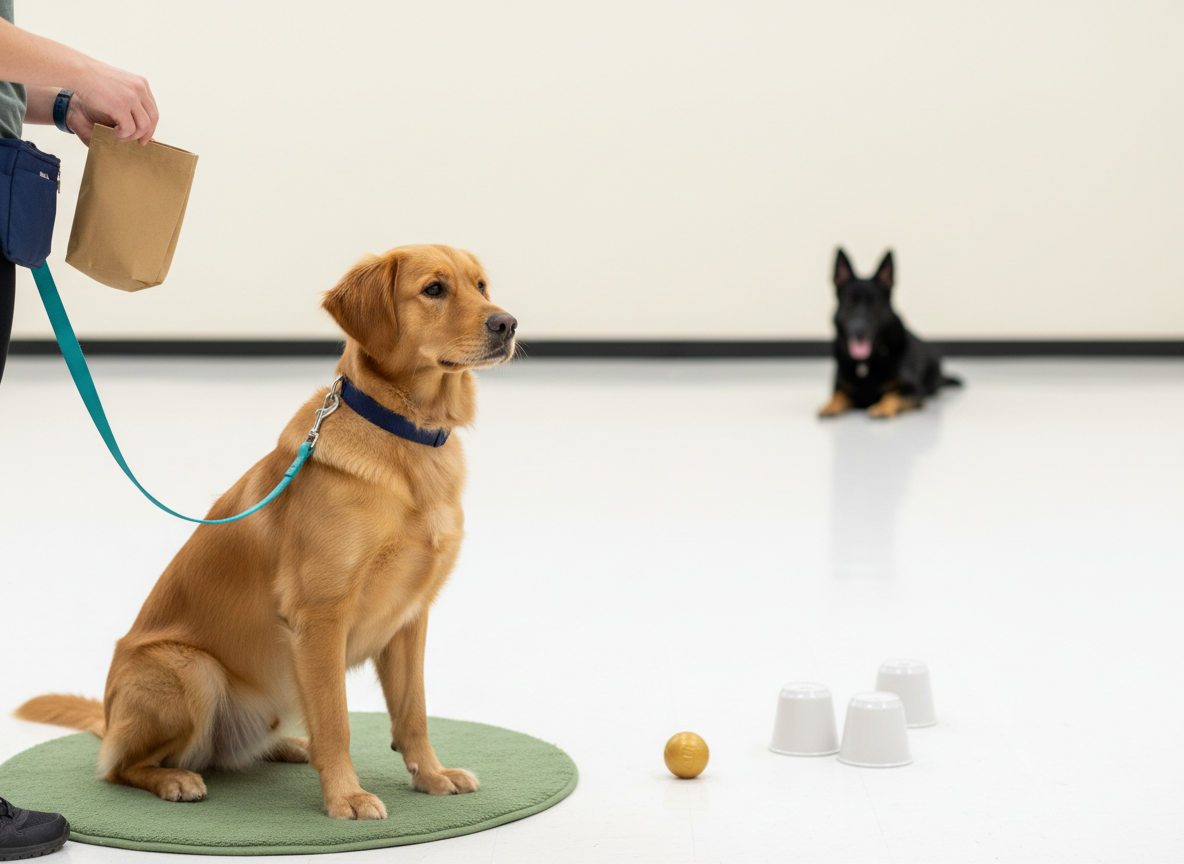
Rewarding a dog for noticing a trigger and then turning away from it.
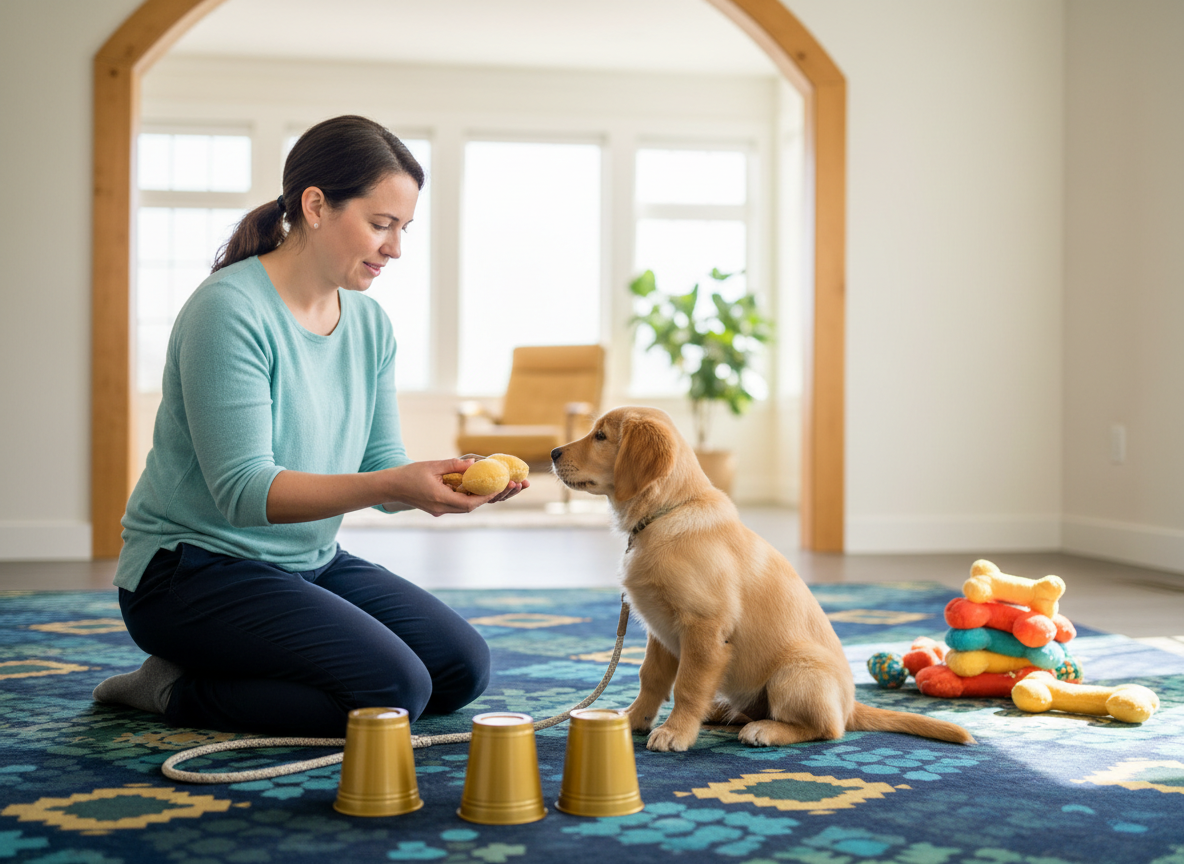
Redirecting teeth to an allowed object before play gets frantic.
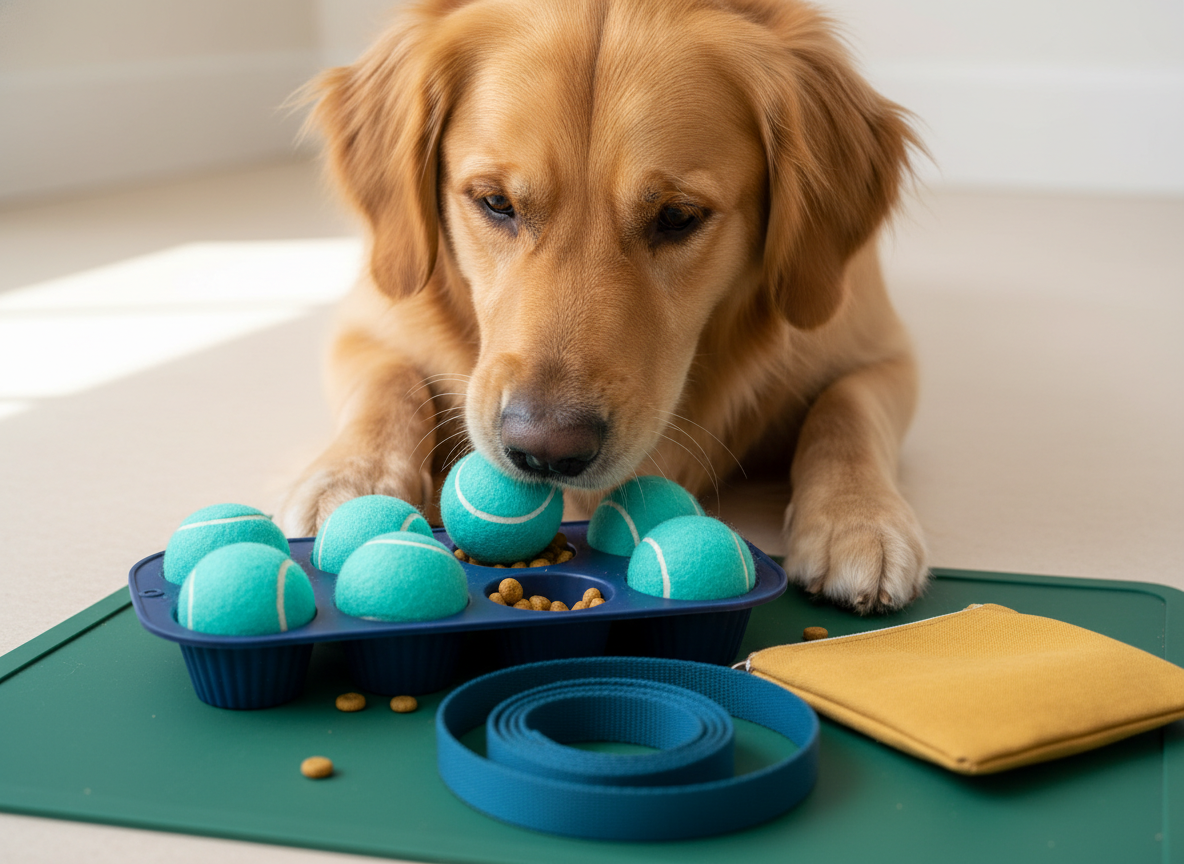
Turning food into a small puzzle so your dog works slowly and thinks.
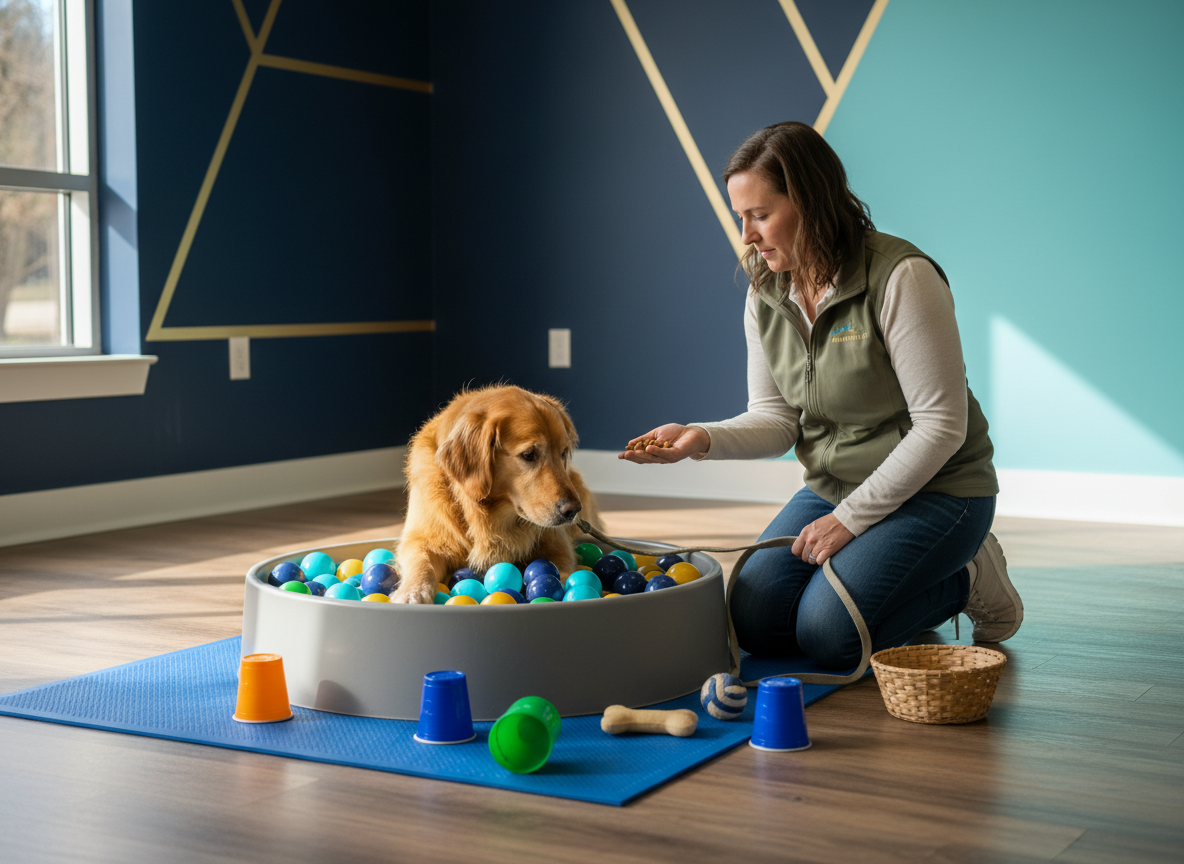
Combining movement and searching in a controlled, playful setup.
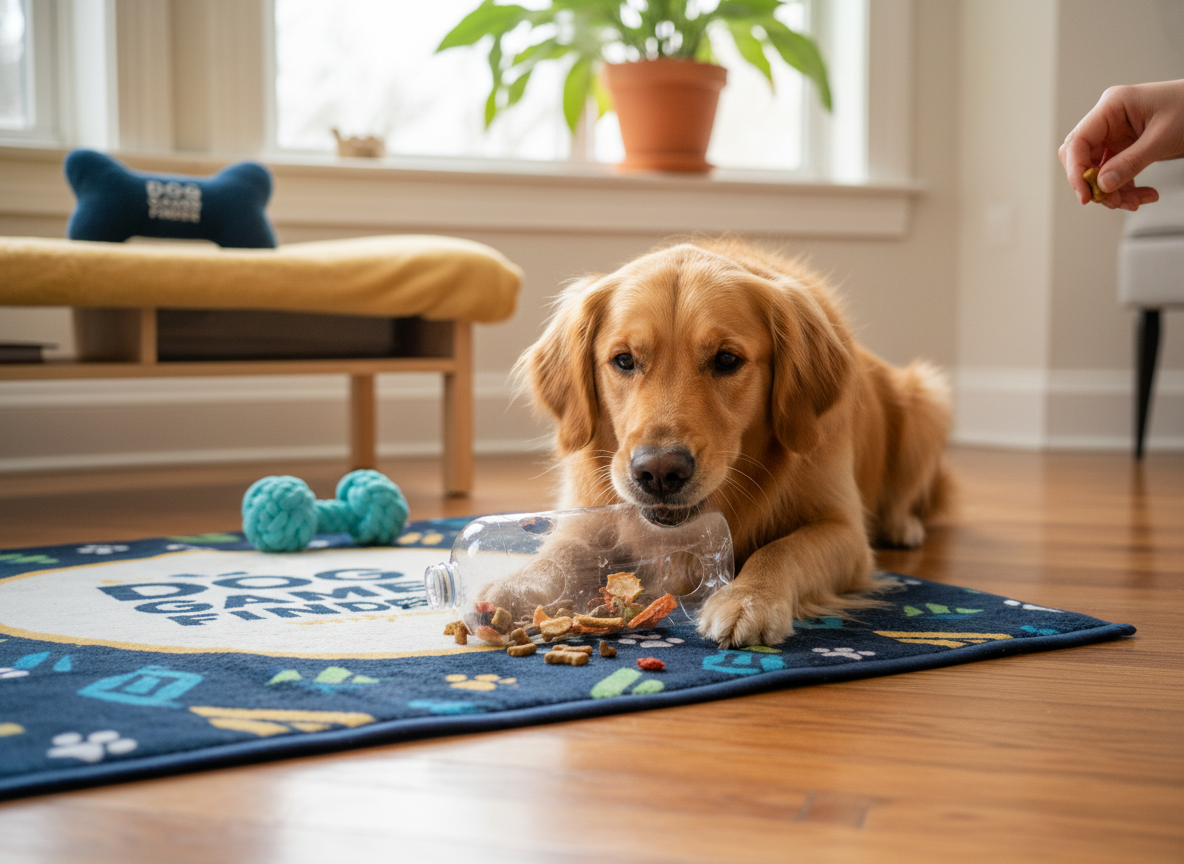
Letting your dog work out how movement releases food from a safe object.
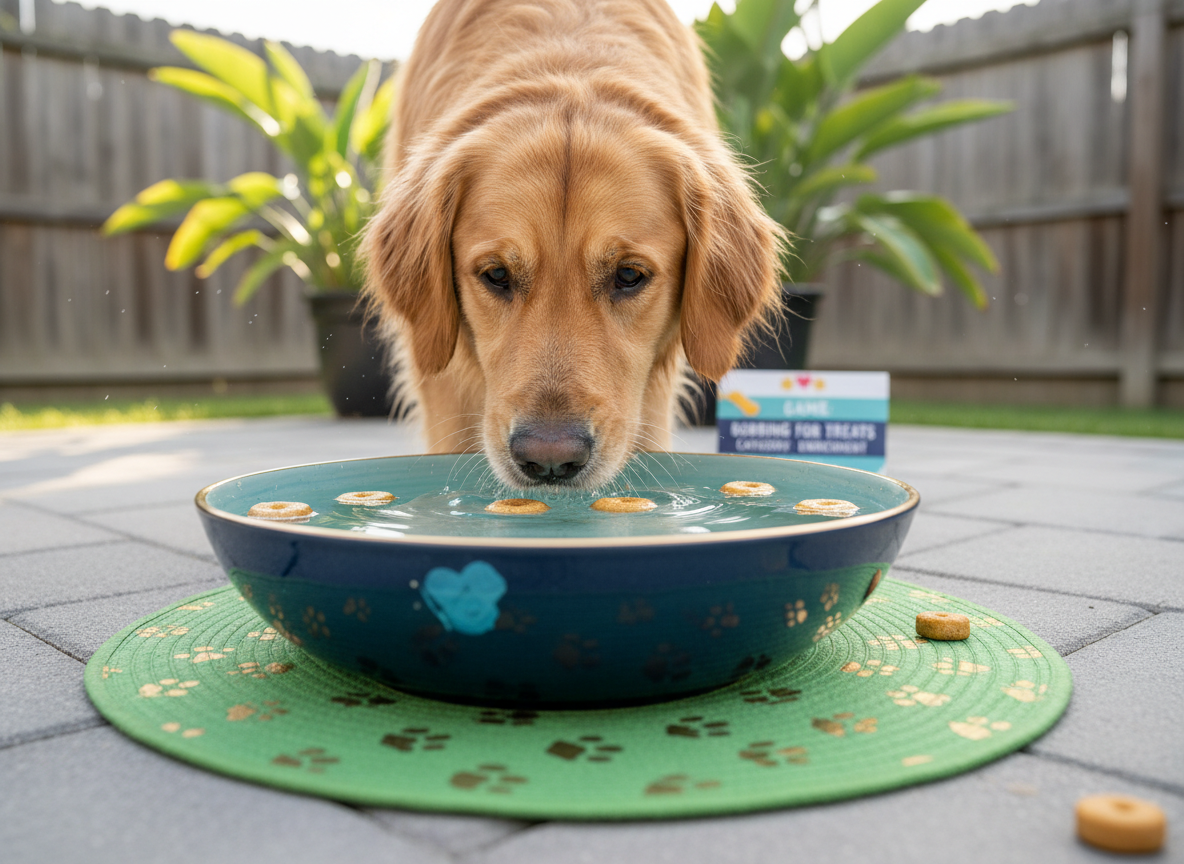
Introducing water in a playful way while giving the dog an easy puzzle.
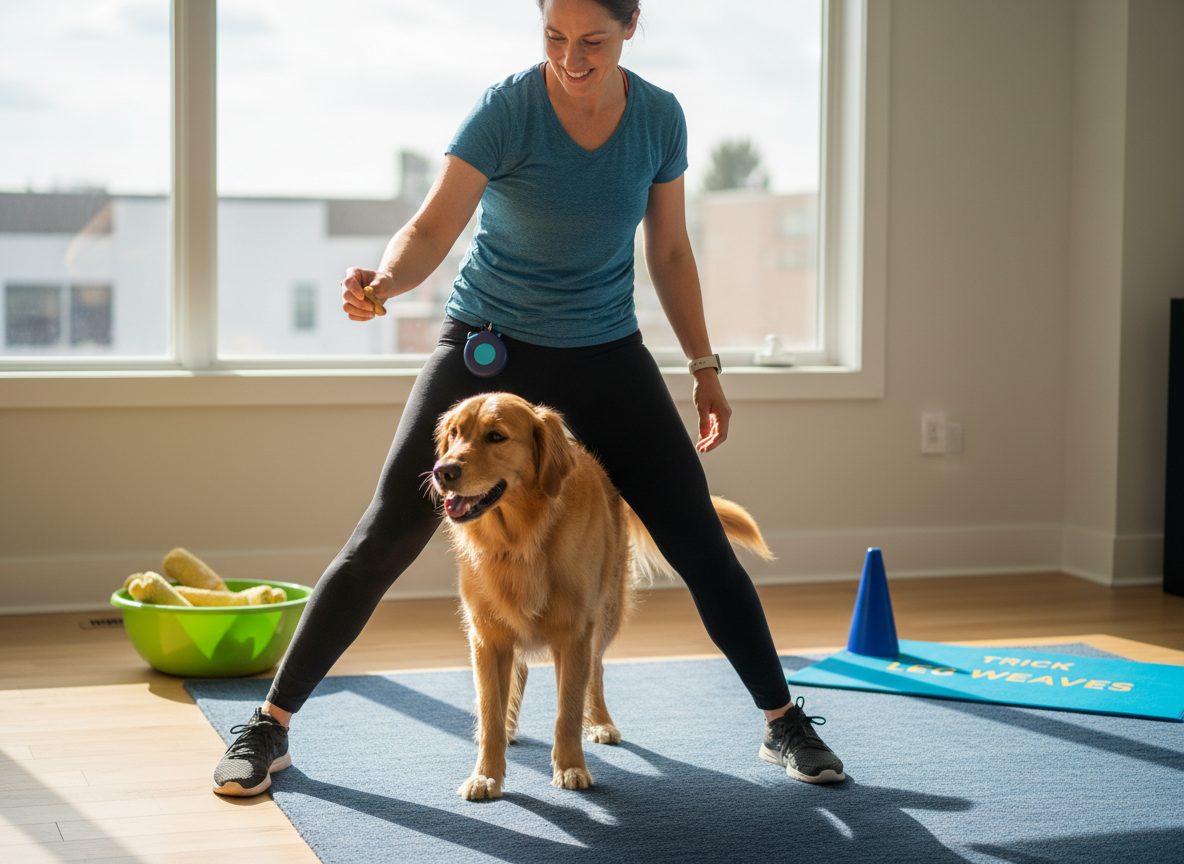
Building follow-the-hand focus and controlled movement close to you.
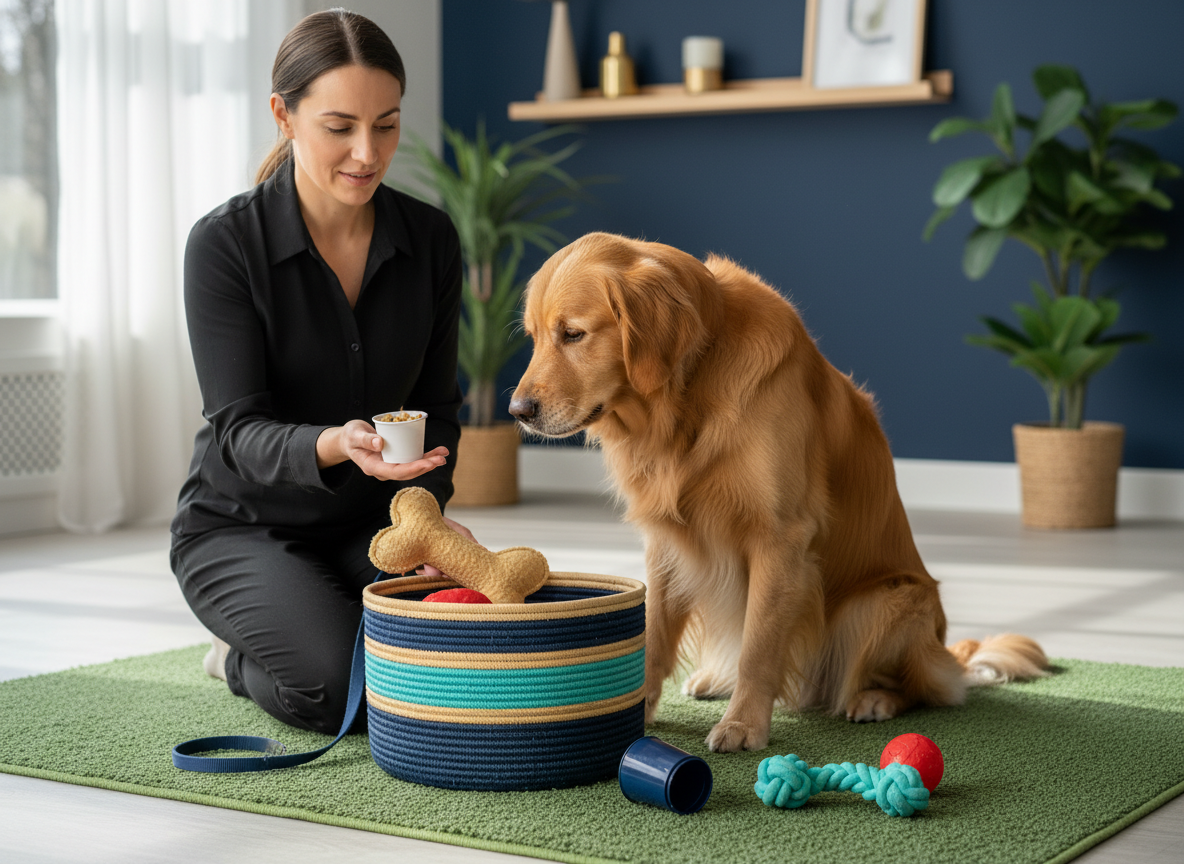
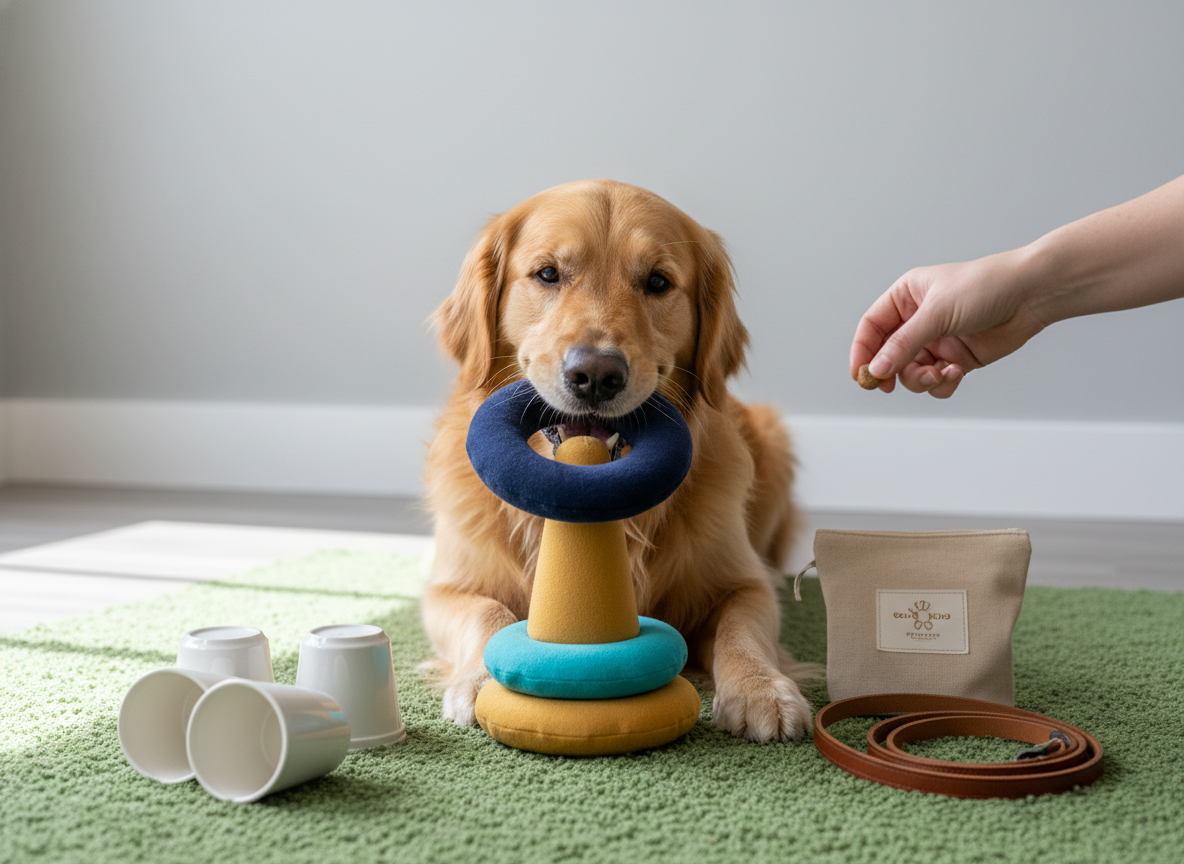
Building careful mouth control and problem-solving through a complex trick.